
Lawn Aeration, Overseeding & Top Dressing Services in Worcester County MA
Lawn repair for thin, patchy or stressed grass
Give your lawn the conditions it needs to grow in thicker, healthier, and more evenly. Twin’s professional lawn aeration, overseeding, and top dressing services are designed to improve soil conditions, repair thin or bare areas, and help establish fuller turf from the roots up.
Whether your lawn is compacted from foot traffic, thinning after summer stress, struggling with patchy growth, or simply ready for an upgrade, our team can create a tailored lawn restoration plan. We offer core aeration and overseeding as well as professional top dressing—a valuable soil-improvement service.
Serving homeowners in Worcester County, we help lawns recover, establish new grass, and build a stronger foundation for long-term performance.
Why Aerate and Overseed in the Fall?

Improves Soil Compaction
- Over time, soil becomes compacted—especially in high-traffic areas.
- Compacted soil restricts root growth and limits water, air, and nutrient flow.
- Aeration loosens the soil, making it easier for roots to expand and access what they need.
Enhances Water and Nutrient Absorption
- After aeration, water, fertilizer, and other nutrients can reach deeper into the soil.
- This means less runoff and better efficiency from anything you apply to your lawn.
Promotes Stronger Roots
- Roots grow deeper in well-aerated soil, which results in a thicker, healthier lawn.
- Deep roots also help your grass withstand heat, drought, and foot traffic.
Reduces Thatch
- Thatch is a layer of dead grass and roots that builds up on the soil surface.
- Excessive thatch (over ½ inch) can block water and nutrients.
- Aeration helps break it up and encourages microorganisms that decompose thatch naturally.
Boosts Lawn Health and Appearance
- A well-aerated lawn stays greener, denser, and more resilient.
Complete Lawn Restoration Services
A healthy lawn depends on more than applying grass seed. The condition of the soil, availability of air and water around the roots, seed-to-soil contact, and the quality of the growing medium all affect how successfully new grass establishes.
Our lawn renovation services include:
- Core aeration / plug aeration
- Lawn overseeding and grass seed application
- Top dressing with compost, topsoil, or a customized soil blend
- Thin-lawn and bare-spot repair
- Lawn leveling and smoothing in appropriate areas
- Soil improvement for compacted, poor-quality, or clay-heavy soil
- Seasonal lawn restoration programs
- Recommendations for watering and post-service lawn care
- Fertilization & Weed Control Services
These lawn services can be selected individually or combine them into a complete aeration, overseeding, and top dressing program.
Core Aeration Services
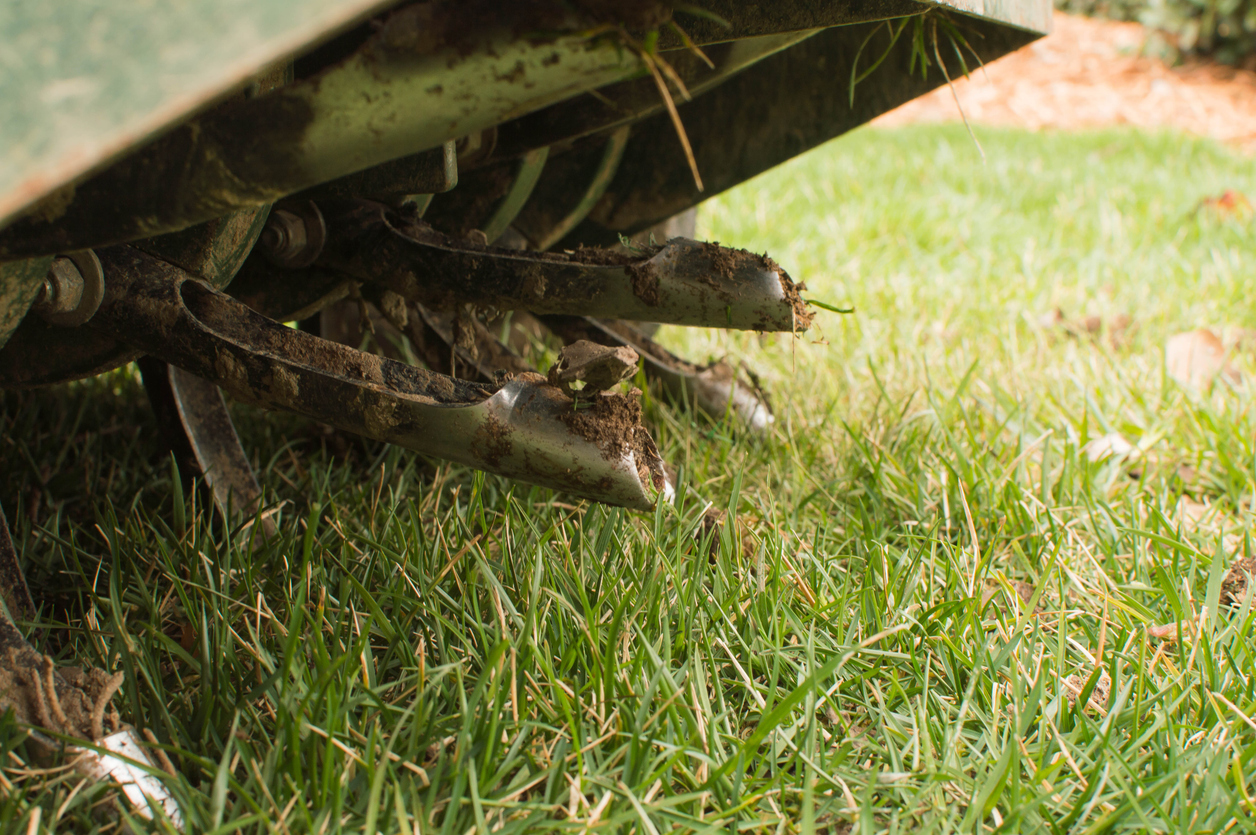
Core aeration, also called plug aeration, removes small plugs of soil and turf from the lawn. This process helps reduce soil compaction and creates openings that allow water, oxygen, and nutrients to move more effectively into the root zone.
Aeration is especially beneficial for lawns with heavy foot traffic, dense soil, thatch buildup, poor drainage, or thin grass. It can also create a better environment for new seed by improving seed-to-soil contact.
Benefits of lawn aeration may include:
- Relief from compacted soil
- Improved water penetration and drainage
- Better access to air and nutrients in the root zone
- Stronger root development
- Improved turf density over time
- Support for healthier recovery after summer stress
- Better conditions for overseeding
Aeration can help manage thatch and soil compaction, supporting thicker turf that is better able to withstand weeds, diseases, and insect pressure.
Lawn Overseeding for Thicker Grass
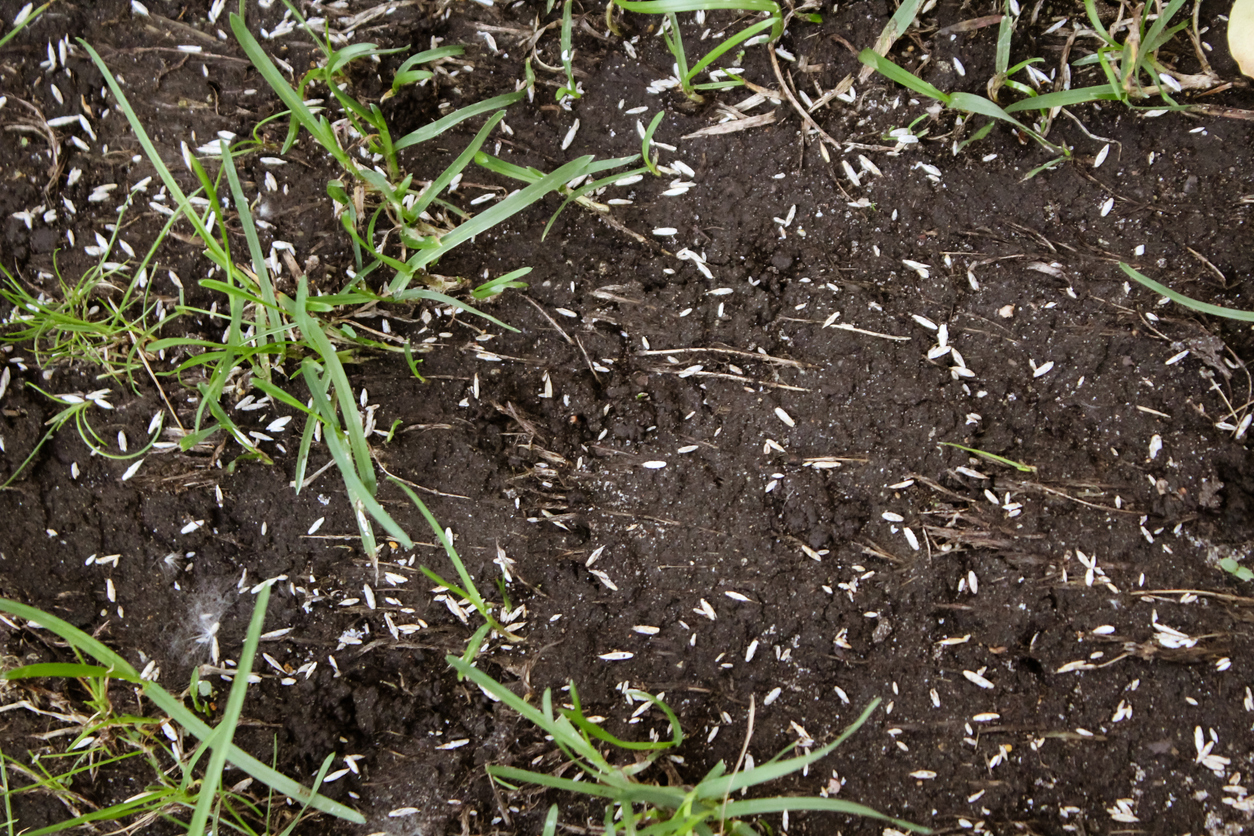
Overseeding is the process of spreading new grass seed into an existing lawn. It is commonly used to thicken sparse turf, fill in small bare areas, improve color and texture, and refresh an aging lawn without starting over.
Our overseeding service is ideal for lawns that are:
- Thin, patchy, or uneven
- Damaged by summer heat, drought, insects, or disease
- Worn down by children, pets, or regular foot traffic
- Showing bare spots or weak turf coverage
- Becoming less dense as older grass plants decline
- In need of a fuller, greener appearance
When combined with core aeration, grass seed has more opportunities to reach the soil rather than sitting on top of thatch or dense turf. This improves the conditions for seed establishment and can help produce a more uniform lawn.
We select grass seed based on the lawn’s conditions, including sun exposure, shade, soil, wear level, and local climate. Proper watering after overseeding is essential, and we provide clear aftercare guidance to help new seedlings establish successfully.
Professional Lawn Top Dressing
Top dressing is what sets our lawn renovation service apart. While many companies offer aeration and overseeding, fewer offer professional lawn top dressing as part of a complete soil and turf improvement program.
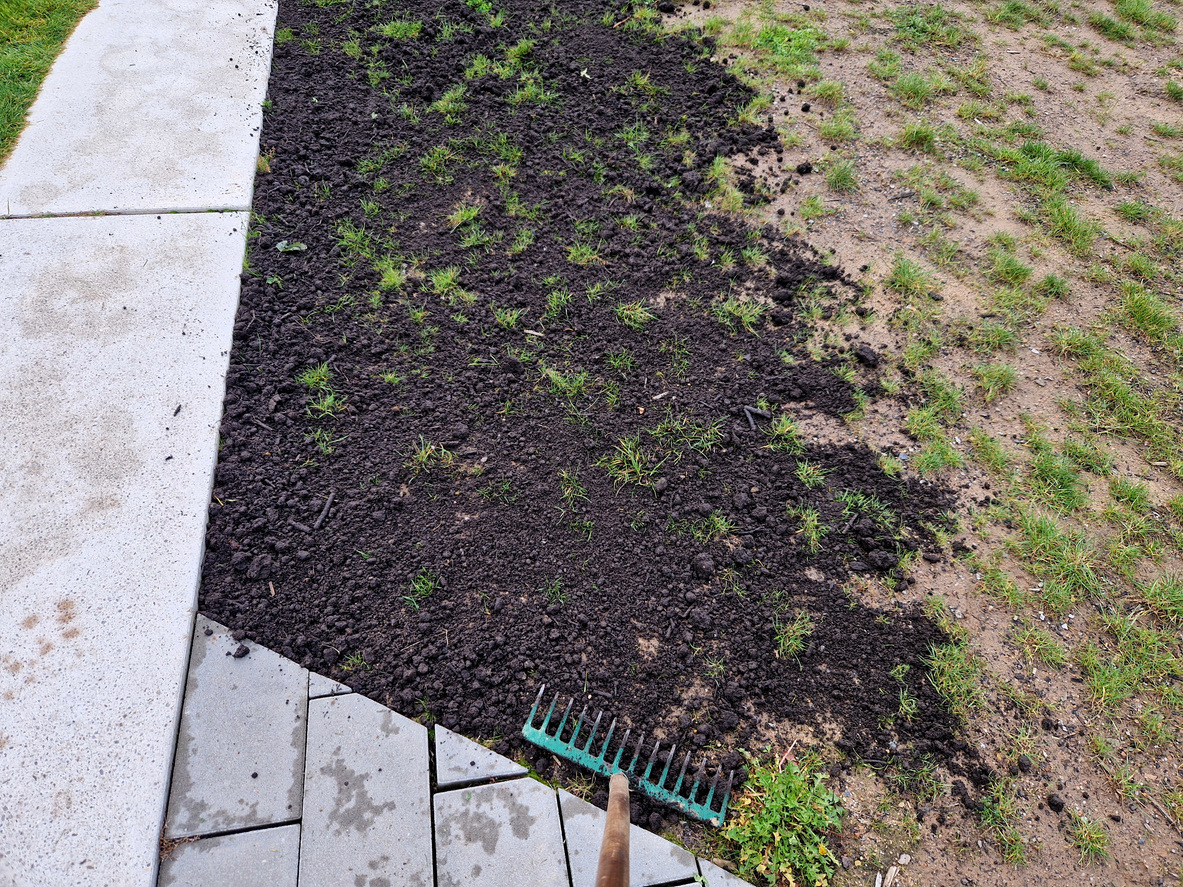
Top dressing involves applying a thin, even layer of quality compost, soil blend, sand-based mix, or other appropriate material across an existing lawn. The material is worked into the turf surface so it can support soil health, help improve the growing environment, and complement aeration and overseeding.
Depending on the lawn’s needs, top dressing may be used to:
- Add organic matter and improve soil structure
- Support soil biology and nutrient availability
- Help improve moisture retention in appropriate conditions
- Aid drainage and surface performance with the right material selection
- Encourage recovery following aeration
- Improve the seedbed for overseeding
- Help smooth minor lawn irregularities
- Support a denser, healthier-looking lawn over time
Compost-based top dressing can improve soil structure, nutrient and water availability, microbial activity, and lawn recovery following aeration or dethatching. It may also help manage thatch and reduce irrigation or fertilizer needs over time, depending on site conditions and lawn-care practices.
Compost Top Dressing vs. Topsoil Top Dressing
Not every lawn needs the same material. We assess the condition and goals of your lawn before recommending the right approach.
| Service | Best suited for | Primary purpose |
| Compost top dressing | Lawns with poor soil, low organic matter, thin turf, or a need for soil-health improvement | Adds organic matter and supports healthier soil conditions |
| Topsoil top dressing | Minor low areas, shallow depressions, or areas needing surface improvement | Helps fill and smooth uneven areas |
| Sand or specialty blend top dressing | Lawns with specific drainage, leveling, or turf-management needs | Improves surface conditions when appropriate |
| Aeration, overseeding & top dressing | Thin, compacted, worn, or underperforming lawns | Addresses soil, roots, and turf density together |
Our team will recommend the material, application rate, and service combination that best fits your property. Top dressing is not a one-size-fits-all service; applying too much material or using the wrong blend can affect existing turf, which is why professional evaluation matters.
Why Combine Aeration, Overseeding and Top Dressing?
For many properties, the most effective lawn improvement plan combines all three services:
- Core aeration opens compacted soil and improves access to the root zone.
- Overseeding introduces new grass into thin, worn, or bare areas.
- Top dressing adds a carefully selected layer of material to support the soil and help create a better environment for existing grass and new seed.
This integrated approach addresses more than the surface appearance of the lawn. It focuses on the soil conditions beneath the grass, the root system, and the density of the turf above it.
A thin layer of compost or other organic top dressing can promote recovery after aeration, assist with thatch management, and improve the availability of nutrients and water in the turf root zone.
When Should You Aerate and Overseed?
The best timing depends on your grass type, weather, local conditions, and the services being performed. For many cool-season lawns, such as here in Central Massachusetts, fall is often a preferred time for aeration and overseeding because temperatures are generally more favorable for cool-season grass seed establishment and there is typically less summer stress.
However, lawn conditions vary. We evaluate factors including:
- Grass type
- Lawn condition and turf density
- Soil compaction
- Shade and sun exposure
- Irrigation availability
- Recent heat, drought, disease, or insect stress
- Upcoming weather patterns
- Your goals for lawn appearance and maintenance